Choosing the right offshore bank account or international payment solution depends on your financial objectives, residency, business activities, currencies, and the countries in which you send or receive payments.
International banks and financial institutions offer different types of accounts and payment services, including current accounts, savings accounts, multi-currency accounts, debit and credit cards, international transfers, and trade-finance instruments such as letters of credit.
This guide explains the main types of offshore bank accounts, how multi-currency banking works, and the payment methods commonly used by individuals and international businesses.
Important: Offshore banking does not mean anonymous banking or exemption from tax and reporting obligations. Banks are required to conduct customer due diligence and comply with applicable anti-money-laundering (AML), know-your-customer (KYC), sanctions, and tax-reporting requirements.
What Is an Offshore Bank Account?
An offshore bank account is generally a bank account held with a financial institution outside the account holder’s country of residence or, in the case of a company, outside its primary operating jurisdiction.
International bank accounts may be used for legitimate purposes such as:
- Holding multiple currencies
- Receiving international business payments
- Paying overseas suppliers
- Managing international investments
- Diversifying banking relationships
- Supporting international business operations
- Managing expenses while living or working abroad
The most suitable account depends on your individual or corporate circumstances and the bank’s eligibility requirements.
Main Types of Offshore Bank Account

Banking services vary between institutions and jurisdictions. However, several account types are commonly available to international clients.
-
Offshore Current Account
A current account is designed for frequent transactions and day-to-day financial activity.
Individuals may use a current account to receive income, make payments, transfer funds, and manage regular expenses. Businesses can use corporate current accounts to receive customer payments and pay suppliers, employees, and service providers.
Depending on the bank and jurisdiction, an international current account may support:
- Incoming and outgoing payments
- Domestic and international transfers
- SWIFT transfers
- Debit cards
- Online banking
- Multiple currencies
- Standing orders and recurring payments
- Business payment services
Transaction limits, fees, minimum balances, and supported currencies vary between banks.
-
Offshore Savings Account
A savings account is primarily designed to hold funds rather than support frequent transactions.
Depending on the bank, a savings account may offer interest on deposited funds. The interest rate, minimum deposit, withdrawal conditions, and account term vary considerably between institutions.
Some savings products may restrict withdrawals or reduce the interest earned when funds are withdrawn before an agreed period.
Before choosing a savings account, consider:
- Interest rate
- Currency of the deposit
- Minimum balance
- Withdrawal conditions
- Deposit protection
- Bank jurisdiction
- Applicable taxes and reporting requirements
A savings account may be appropriate for funds that do not need to be used for regular payments.
-
Multi-Currency Offshore Bank Account
For individuals and companies conducting international transactions, a multi-currency bank account can provide greater flexibility.
A multi-currency account allows the account holder to hold and, depending on the bank, transact in several currencies under the same banking relationship.
Common supported currencies can include:
- EUR
- USD
- GBP
- CHF
- CAD
- AUD
- Other major currencies, depending on the institution.
For example, an international business that invoices customers in Euros and US dollars may be able to receive and hold both currencies rather than converting every payment immediately.
Benefits of a Multi-Currency Account
A multi-currency account can help international clients:
- Reduce unnecessary currency conversions
- Hold funds in the currency in which they are received
- Pay international suppliers in their preferred currency
- Manage foreign-exchange exposure
- Simplify international cash management
- Centralize multiple currencies within one banking relationship
However, not every bank supports every currency, and exchange rates, conversion fees, transfer fees, and transaction limits should be checked before opening an account.
-
Online and Digital Banking
Most modern international banks provide online banking or mobile banking facilities.
Depending on the institution, customers may be able to:
- Check account balances
- Review transaction history
- Make bank transfers
- Manage beneficiaries
- Download statements
- Make certain bill payments
- Manage cards
- Exchange currencies
- Communicate securely with the bank
Online banking makes international account management considerably more convenient because customers can access their accounts remotely, subject to the bank’s security procedures and local regulations.
Banks may also use additional authentication methods such as two-factor authentication, transaction verification, and device authentication to protect customer accounts.
International Bank Transfers
International transfers are one of the most important services for offshore and cross-border banking.
The SWIFT network is widely used by banks to facilitate international payment instructions. A SWIFT transfer may be used to send funds between banks in different countries and currencies.
The actual cost and processing time depend on:
- Sending bank
- Receiving bank
- Intermediary banks
- Currency
- Destination country
- Compliance checks
- Payment method
International transfers are therefore not necessarily unlimited or restriction-free. Banks can impose transaction limits, request supporting documentation, or delay transactions while conducting compliance checks.
Other International Payment Methods

An offshore bank account is only one component of international financial management. Depending on your circumstances, several other payment methods may be useful.
Debit and Credit Cards
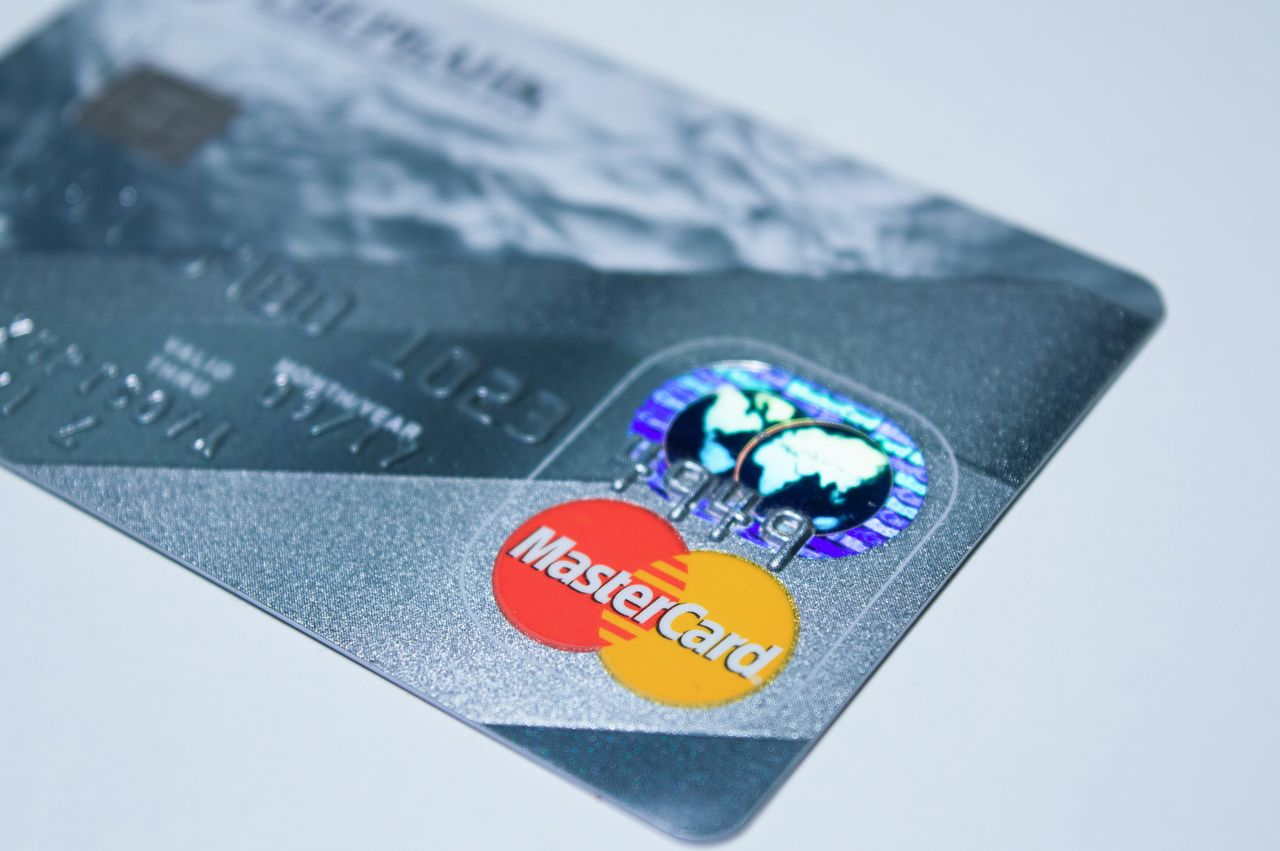
International debit and credit cards issued by major card networks such as Visa and Mastercard can be used for many everyday and international transactions.
Depending on the card and issuing bank, they can be used for:
- Point-of-sale purchases
- Online payments
- ATM withdrawals
- Travel expenses
- Business expenses
- Recurring subscriptions
What to Consider When Choosing an International Card
Don’t focus only on whether the card is Visa or Mastercard. Other factors can be equally important, including:
- Foreign-exchange fees
- ATM withdrawal fees
- Daily transaction limits
- Online transaction security
- Card acceptance
- Contactless payment availability
- Fraud monitoring
- 3-D Secure authentication
- Additional cardholder options
The best card for international use depends on where and how you expect to use it.
Letters of Credit for International Trade
A letter of credit (LC) is a widely used trade-finance instrument that can help manage payment risk in international commercial transactions.
It involves a bank undertaking to make payment to a beneficiary, subject to the beneficiary presenting documents that comply with the terms and conditions of the letter of credit.
Letters of credit can be useful when a buyer and seller are located in different countries and want additional assurance around the transaction.
How a Letter of Credit Works
A simplified transaction can involve:
- The buyer and seller agree on the commercial terms.
- The buyer asks its bank to issue a letter of credit.
- The seller receives the letter of credit through the relevant banking channels.
- The seller ships the goods according to the agreed terms.
- The seller presents the required documents.
- The bank examines the documents against the terms of the letter of credit.
- If the presentation complies with the LC requirements, payment is made according to the agreed structure.
Letters of credit can therefore help reduce certain risks associated with international trade, although they involve documentation, banking fees, and specific contractual conditions.
Businesses should obtain professional trade-finance advice before using an LC for a significant transaction.
Offshore Banking for Individuals vs. Businesses
The banking requirements of an individual are often very different from those of an international company.
Personal Offshore Banking
Individuals may consider an international bank account for:
- Living abroad
- Receiving foreign income
- Managing multiple currencies
- International investments
- Paying overseas expenses
- Managing assets across different jurisdictions
Banks commonly require information regarding identity, residential address, tax residency, source of funds, and the intended purpose of the account.
Corporate Offshore Banking
International businesses may require more sophisticated banking facilities, including:
- Multi-currency accounts
- International transfers
- Merchant services
- Corporate debit cards
- Foreign-exchange
Date: 18.09.2026.