
HSBC or Standard Chartered for an international company? The choice of bank can have a significant impact on the management of international payments, currencies, treasury, and operations across several countries.
Both groups have a strong international presence and offer solutions for companies working with customers, suppliers, or subsidiaries abroad. HSBC particularly highlights its international network, HSBCnet, its multi-currency solutions, and its payment and treasury management tools.
Standard Chartered, for its part, has a particularly strong presence in Asia, the Middle East, and Africa, as well as solutions for companies looking to expand their activities beyond their domestic market.
So, HSBC vs Standard Chartered business account: which bank should you choose?
HSBC can be particularly attractive for companies looking for very broad international banking infrastructure and integrated currency, payment, and treasury management solutions. Standard Chartered can be particularly relevant for companies whose activities are heavily oriented toward Asia, the Middle East, and emerging markets.
The best choice therefore depends on the company’s profile, its markets, and its financial flows.
HSBC vs Standard Chartered: The Main Differences
| Criteria | HSBC | Standard Chartered |
|---|---|---|
| International bank | Yes | Yes |
| International payments | Highly developed | Highly developed |
| Currency accounts | Yes | Yes |
| Multi-currency solutions | Yes | Yes |
| Foreign exchange risk management | Yes | Yes |
| Presence in Asia | Very strong | Very strong |
| Presence in the Middle East | Strong | Strong |
| Presence in Africa | Strong | Strong |
| Treasury solutions | Highly developed | Highly developed |
| International trade | Highly developed | Highly developed |
| Account management across several countries | Yes | Yes |
The most interesting difference often lies in geographic orientation. HSBC has a very extensive global network, while Standard Chartered has a particularly strong presence in the markets of Asia, Africa, and the Middle East. Standard Chartered states that it offers an international banking network covering more than 25 markets in these regions.
HSBC Business Account: What Are the Advantages for an International Company?
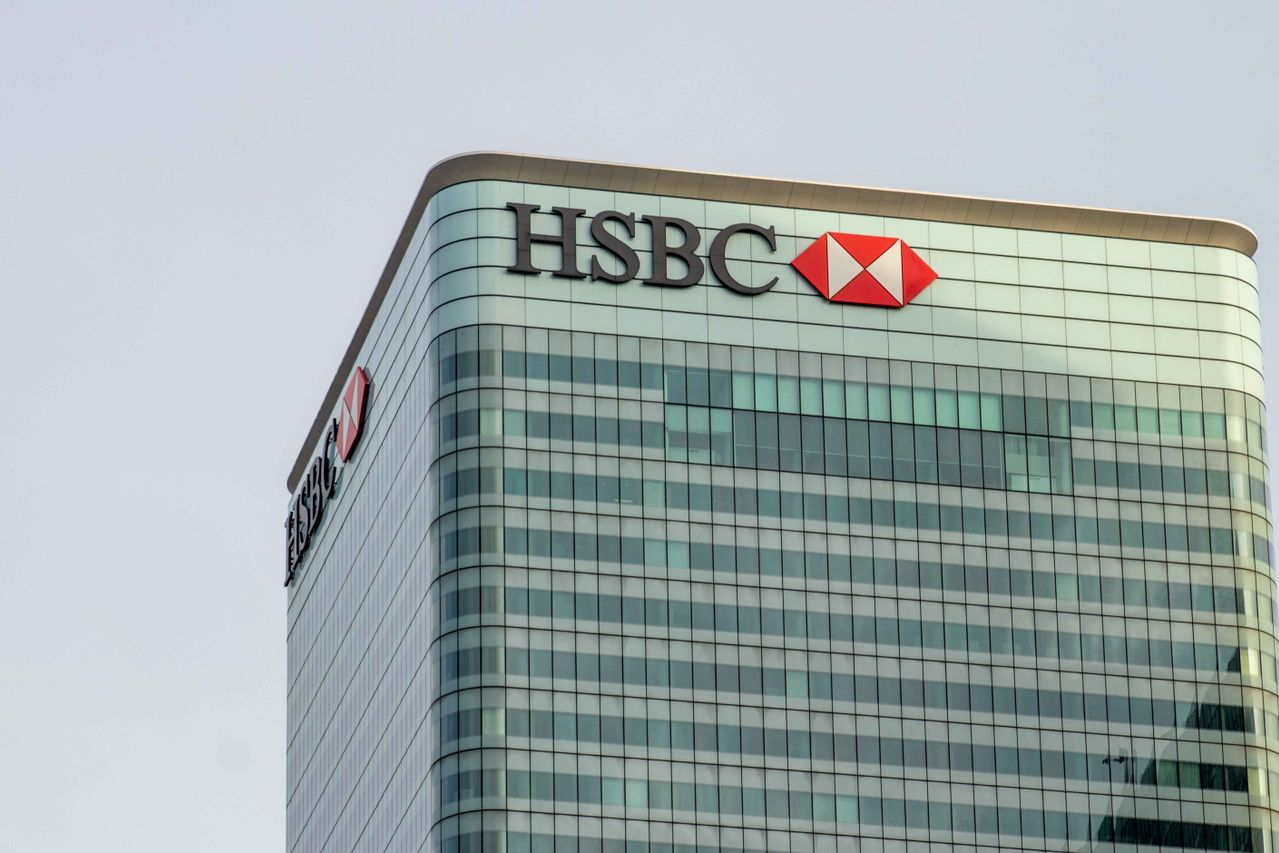
An HSBC international business account can be particularly well suited to companies that manage flows across several countries and want to centralize part of their banking operations.
HSBC notably offers solutions to:
- receive international payments;
- make payments in different currencies;
- hold funds in foreign currencies;
- manage foreign exchange risk;
- track international treasury;
- manage accounts for several entities;
- optimize flows between different jurisdictions.
HSBCnet allows eligible companies to have a view of their international banking activities from a single platform. HSBC also offers payment, receivables, liquidity, and treasury solutions for international companies.
HSBC Global Wallet
One of the particularly interesting features for international companies is HSBC Global Wallet.
This solution allows eligible companies to hold, manage, send, and receive several currencies from a single platform, with local account details available for certain currencies and markets.
This can be useful for a company that, for example, invoices its customers in:
- EUR in Europe;
- USD in the United States;
- GBP in the United Kingdom;
- SGD in Singapore;
- HKD in Hong Kong.
The aim is to simplify international collections and payments while reducing the systematic need for currency conversions.
HSBC also offers foreign exchange risk management solutions and tools that help companies better manage their exposure to currency fluctuations.
For a company with diversified international activity, the depth of this infrastructure can be a significant advantage.
Standard Chartered International Business Account: What Are the Advantages?

The Standard Chartered international business account can be particularly attractive for companies developing their activities in Asia, the Middle East, or Africa.
Standard Chartered has a significant presence in these regions and highlights its international network to support companies that import, export, outsource production, or establish themselves in new markets.
The bank offers accounts in major currencies. In certain markets, business accounts may be available in currencies such as:
- USD;
- EUR;
- GBP;
- CNY;
- HKD;
- JPY;
- SGD;
- AUD;
- CHF.
Exact availability, however, depends on the country, the type of account, and the company’s eligibility.
A Strong Orientation Toward Asia
This is probably one of the main factors to consider when comparing an HSBC business account vs a Standard Chartered business account.
For a company whose suppliers, customers, subsidiaries, or partners are located in Singapore, Hong Kong, China, India, Malaysia, Indonesia, Thailand, or other Asian markets, Standard Chartered can be a particularly attractive option.
Its international network covers China, Hong Kong, Singapore, Malaysia, Indonesia, India, Thailand, Vietnam, and several other Asian markets.
HSBC or Standard Chartered for Multi-Currency Accounts?
For an international company, currency management can be as important as the bank account itself.
A company that invoices in euros but pays its suppliers in dollars or yuan needs to be able to effectively manage:
- currency conversions;
- international collections;
- supplier payments;
- foreign exchange risk;
- balances in different currencies.
HSBC offers Global Wallet as well as Foreign Currency Accounts, allowing eligible companies to receive and hold certain currencies without immediate conversion.
Standard Chartered also offers currency accounts and solutions allowing companies to manage operations in several currencies.
The choice therefore depends less on the theoretical number of available currencies than on the currencies your company actually uses.
Which Bank for a Company Working with Asia?
If your international activity is mainly concentrated in Asia, Standard Chartered deserves particular attention.
The bank has a presence in many Asian markets and offers services for companies looking to develop their cross-border activities.
This can be particularly relevant for:
- import-export companies;
- trading companies;
- groups with Asian suppliers;
- technology companies;
- companies with subsidiaries in Asia;
- companies developing business in China, Hong Kong, or Singapore.
HSBC also remains a very solid option for Asia. Its international offering covers several Asian markets, and its infrastructure is designed to support companies with operations across several jurisdictions.
For a highly diversified international company, HSBC may have an advantage in terms of a global platform. For a company heavily exposed to Asia, Standard Chartered can be particularly relevant.
HSBC or Standard Chartered for International Payments?
Both banks offer solutions for companies that regularly make international payments.
HSBC allows companies to manage their international payments via HSBCnet and offers Global Disbursements to centralize certain cross-border payments. HSBC states that this solution can support payments in more than 130 currencies, subject to applicable conditions.
Standard Chartered also offers international account and treasury management solutions. Its Global Link service allows, in eligible markets, several accounts held in different countries to be viewed from a single banking access point and, with certain configurations, funds to be transferred between accounts in different markets.
To compare the two banks, it is therefore necessary to examine:
- transfer fees;
- exchange rates;
- available currencies;
- destination countries;
- payment processing times;
- transaction limits;
- reporting solutions;
- integration with accounting or treasury systems.
What Is the Best Bank for International Companies?

The question “what is the best bank for international companies?” has no single answer.
HSBC can be particularly attractive if:
- your company operates in several regions of the world;
- you have significant currency needs;
- you want to centralize your banking management;
- you need an integrated international platform;
- you manage complex treasury flows;
- you are looking for advanced foreign exchange and payment solutions.
HSBC offers a range that includes HSBCnet, Global Wallet, Global Payables, Global Receivables, and various liquidity and treasury solutions.
Standard Chartered can be particularly attractive if:
- your company mainly works with Asia;
- you have suppliers or customers in emerging markets;
- you are developing activity in the Middle East or Africa;
- you need accounts in several currencies;
- you are looking for a bank with a strong local presence in several Asian markets.
Standard Chartered explicitly highlights its network across more than 25 markets in Asia, Africa, and the Middle East to support companies expanding internationally.
Is Opening an International Business Account Guaranteed?
No.
Even with a large international bank, opening an account depends on the bank accepting the application.
The institution may examine:
- the company’s actual activity;
- the beneficial owners;
- the source of funds;
- the countries involved;
- customers and suppliers;
- the expected transaction volume;
- any licenses that may be required;
- the legal structure;
- the economic justification for the banking relationship.
For an international company, it is therefore important to prepare a coherent, well-documented file.
The bank’s reputation does not guarantee that the account will be opened.
Available services, eligibility criteria, and requested documents can also vary depending on the country in which the account is opened.
HSBC vs Standard Chartered: Our Verdict
For a truly global company: HSBC HSBC can be particularly well suited to companies with operations across several regions and looking for integrated international banking infrastructure, particularly for payments, currencies, and treasury.
For a company heavily oriented toward Asia: Standard Chartered Standard Chartered’s presence in Asia, the Middle East, and Africa can be an advantage for companies whose activities are concentrated in these regions.
For multi-currency accounts: compare actual needs Both banks have multi-currency solutions. HSBC offers Global Wallet, while Standard Chartered offers currency accounts in several markets.
For international trade: both deserve consideration The choice should depend on the countries the company works with, the currencies used, transaction volume, and financing or foreign exchange risk management needs.
FAQ: HSBC vs Standard Chartered Business Account
What is the best bank for international companies?
HSBC and Standard Chartered are both major international banks. HSBC can be particularly well suited to companies with diversified global activity, while Standard Chartered can be particularly attractive for companies with a strong presence in Asia, the Middle East, or Africa.
What is the best HSBC or Standard Chartered account for an international company?
There is no universally best account. The choice depends in particular on the countries involved, the currencies, payment volumes, and the treasury services required.
Is Standard Chartered suitable for companies working with Asia?
Yes. Standard Chartered has a significant presence in many Asian markets, including China, Hong Kong, Singapore, India, Malaysia, Indonesia, and Thailand.
Does HSBC offer multi-currency accounts for businesses?
Yes. HSBC offers Global Wallet and Foreign Currency Accounts, allowing eligible companies to manage several currencies. Available features and currencies depend on the market and eligibility.
Can several Standard Chartered accounts in different countries be managed together?
In certain eligible markets, Standard Chartered offers Global Link, which allows several accounts to be viewed from a single access point and, depending on the configuration, funds to be transferred between accounts located in different markets.
Which bank should be chosen for an import-export company?
Both can be suitable. Standard Chartered can be particularly attractive for a company with a supply chain in Asia, while HSBC can be particularly well suited to a company with flows spread across several continents.
Conclusion
HSBC vs Standard Chartered business account: which bank should you choose?
For a company with diversified international activity, HSBC is a particularly solid option thanks to its international network, its multi-currency solutions, and its payment and treasury management tools.
For a company whose activities are heavily concentrated in Asia, the Middle East, or Africa, Standard Chartered can offer a particularly attractive combination of local presence and international banking services.
The final choice, however, should be based on the company’s actual needs: the countries of its customers and suppliers, the currencies used, payment volume, foreign exchange needs, legal structure, and compliance requirements.
At ICD Fiduciaries, we support entrepreneurs and international companies in setting up structures tailored to their objectives, including for company formation and the search for international business banking solutions.
The best bank is therefore not necessarily the one with the largest network: it is the one whose infrastructure, covered markets, and services genuinely match your international activity.